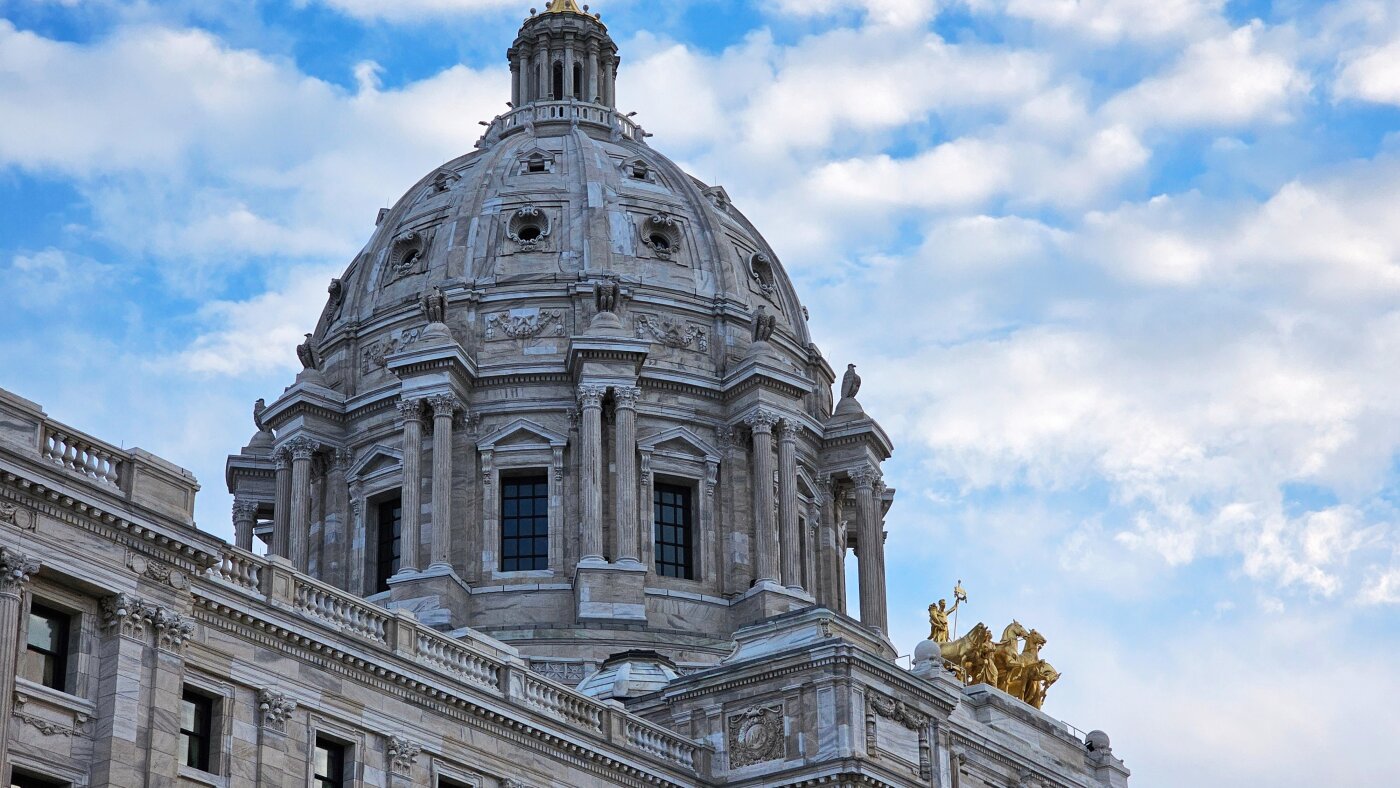
We deliver structured market intelligence based on earnings analysis and institutional trading patterns. Minnesota has become the first state in the U.S. to enact a law criminalizing the operation of prediction markets, making it a felony for companies such as Kalshi and Polymarket to conduct business within its borders. The move marks an escalation in state-level regulatory pressure on the emerging industry, which has faced legal action from dozens of states in recent months.
Live News
Minnesota Becomes First State to Pass Felony Ban on Prediction MarketsSome investors find that using dashboards with aggregated market data helps streamline analysis. Instead of jumping between platforms, they can view multiple asset classes in one interface. This not only saves time but also highlights correlations that might otherwise go unnoticed.- First-of-its-kind felony law: Minnesota is the first state to make it a felony to operate a prediction market, elevating enforcement beyond civil penalties used by other states.
- Targeted platforms: The law explicitly mentions platforms like Kalshi and Polymarket, which offer event-based contracts on elections, sports, and economic outcomes.
- Escalating regulatory trend: Dozens of states have taken legal action against prediction markets, but Minnesota's law sets a new precedent for criminal liability.
- Potential industry impact: The felony classification could discourage investment, development, and user participation in Minnesota, and may prompt other states to consider similar legislation.
- Debate over market legitimacy: Proponents of prediction markets argue they provide hedging mechanisms and price discovery, while opponents equate them to unregulated gambling that poses risks to market integrity and consumer protection.
Minnesota Becomes First State to Pass Felony Ban on Prediction MarketsReal-time data is especially valuable during periods of heightened volatility. Rapid access to updates enables traders to respond to sudden price movements and avoid being caught off guard. Timely information can make the difference between capturing a profitable opportunity and missing it entirely.Expert investors recognize that not all technical signals carry equal weight. Validation across multiple indicators—such as moving averages, RSI, and MACD—ensures that observed patterns are significant and reduces the likelihood of false positives.Minnesota Becomes First State to Pass Felony Ban on Prediction MarketsMany investors adopt a risk-adjusted approach to trading, weighing potential returns against the likelihood of loss. Understanding volatility, beta, and historical performance helps them optimize strategies while maintaining portfolio stability under different market conditions.
Key Highlights
Minnesota Becomes First State to Pass Felony Ban on Prediction MarketsReal-time data can highlight momentum shifts early. Investors who detect these changes quickly can capitalize on short-term opportunities.Minnesota has taken an unprecedented step against prediction markets by passing legislation that classifies their operation as a felony offense. The law specifically targets companies like Kalshi and Polymarket, which offer contracts on the outcomes of political events, sports, and other real-world occurrences. While dozens of states have pursued legal actions—including cease-and-desist orders or civil lawsuits—Minnesota is the first to impose criminal penalties.
The legislation, which was recently signed into law, makes it a felony offense for any entity to operate a prediction market that offers contracts on elections, sporting events, or other contingent events without proper authorization. Supporters of the bill argued that such markets function as unregulated gambling, potentially undermining election integrity and exposing consumers to financial harm. Critics, however, contend that prediction markets provide valuable data and hedging opportunities.
Industry participants and legal observers note that the felony designation could deter investors and operators from expanding into Minnesota. Companies like Kalshi and Polymarket have not yet commented publicly on the specific legislation. The move follows a broader crackdown by state regulators, with dozens of jurisdictions taking actions ranging from administrative orders to lawsuits, citing concerns over consumer protection and illegal gambling.
Minnesota Becomes First State to Pass Felony Ban on Prediction MarketsMonitoring macroeconomic indicators alongside asset performance is essential. Interest rates, employment data, and GDP growth often influence investor sentiment and sector-specific trends.Some investors integrate technical signals with fundamental analysis. The combination helps balance short-term opportunities with long-term portfolio health.Minnesota Becomes First State to Pass Felony Ban on Prediction MarketsEffective risk management is a cornerstone of sustainable investing. Professionals emphasize the importance of clearly defined stop-loss levels, portfolio diversification, and scenario planning. By integrating quantitative analysis with qualitative judgment, investors can limit downside exposure while positioning themselves for potential upside.
Expert Insights
Minnesota Becomes First State to Pass Felony Ban on Prediction MarketsSector rotation analysis is a valuable tool for capturing market cycles. By observing which sectors outperform during specific macro conditions, professionals can strategically allocate capital to capitalize on emerging trends while mitigating potential losses in underperforming areas.The Minnesota law signals a potential shift in the regulatory landscape for prediction markets, a sector that has grown in popularity due to its use in forecasting political and economic outcomes. Legal analysts suggest that the felony designation could deter not only operators but also technology providers and payment processors from engaging with the industry in the state.
From an investment perspective, uncertainty surrounding state-level regulation may create headwinds for platforms and related firms. The patchwork of state actions could lead to increased compliance costs and operational complexity. While the federal Commodity Futures Trading Commission (CFTC) has taken its own enforcement actions against some prediction market operators, state-level criminalization adds a new layer of risk.
Market observers note that other states may follow Minnesota's lead, potentially restricting access to event-based contracts for a significant portion of the U.S. population. However, the legal foundation for such laws could face constitutional challenges, particularly regarding free speech and interstate commerce. Investors and participants are advised to monitor state-level developments closely, as the regulatory environment remains fluid and may evolve rapidly in the months ahead.
Minnesota Becomes First State to Pass Felony Ban on Prediction MarketsSome traders rely on patterns derived from futures markets to inform equity trades. Futures often provide leading indicators for market direction.Real-time data can reveal early signals in volatile markets. Quick action may yield better outcomes, particularly for short-term positions.Minnesota Becomes First State to Pass Felony Ban on Prediction MarketsReal-time updates are particularly valuable during periods of high volatility. They allow traders to adjust strategies quickly as new information becomes available.